
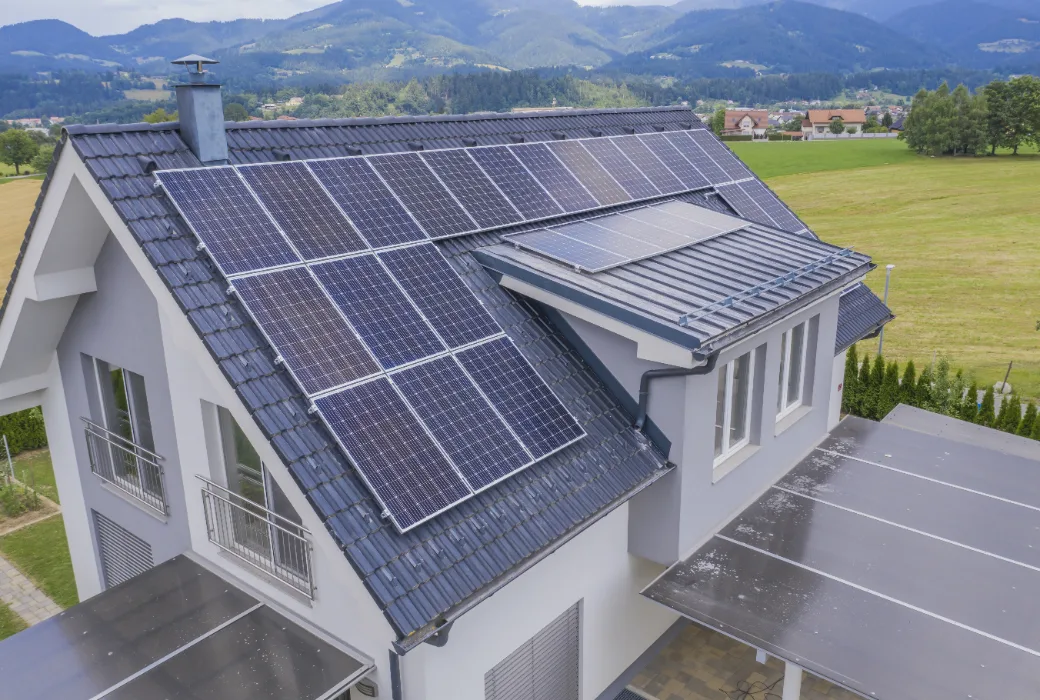
Chennai’s climate teaches every homeowner the same lessons: summers are hot, water is precious and the monsoon can be fierce. That’s why sustainable, eco-friendly homes aren’t just a trend here — they’re a practical way to cut electricity and water bills, stay cooler and protect your family’s future.
This guide explains what actually makes a home sustainable in Chennai, which green features are worth paying for, and what to ask your builder.
What makes a home sustainable in Chennai?
A sustainable home uses less energy, less water and fewer resources — both while it’s being built and over the decades you live in it. In Chennai, that means:
- Staying cool naturally, with less reliance on air conditioning
- Capturing rainwater and reducing dependence on tankers and borewells
- Using renewable energy such as rooftop solar
- Choosing durable, low-impact building materials
- Managing waste and wastewater responsibly
- Being designed to cope with heavy monsoon rain
1. Rainwater harvesting: essential, not optional
Tamil Nadu was one of the first states in India to make rainwater harvesting mandatory for buildings, back in 2003. In a city that faced severe water shortages in 2019 and heavy flooding in other years, a good system does two jobs: it recharges groundwater and it reduces waterlogging.
What to look for:
- Recharge pits or wells connected to roof and terrace drains
- A separate storage sump for harvested rainwater in larger projects
- Permeable paving in driveways and open areas
- Regular maintenance — desilting pits before every monsoon
2. Rooftop solar: lower bills and a subsidy
Chennai gets strong sunshine for most of the year, which makes rooftop solar one of the best investments for a villa or apartment.
- For villas: A 2–3 kW rooftop system can cover a large share of a typical family’s daytime electricity use.
- For apartments: Solar panels on the common terrace can power common-area lighting, lifts and water pumps, cutting maintenance charges.
- Subsidy: Under the central PM Surya Ghar: Muft Bijli Yojana, residential households can get a subsidy for rooftop solar — up to ₹78,000 for systems of 3 kW and above.
- Net metering: Through Tamil Nadu’s power distribution company, surplus solar power can be exported to the grid and adjusted against your bill.
Also look for: solar water heaters, LED lighting in common areas and energy-efficient pumps.
3. Passive cooling: design that beats the heat
The cheapest unit of electricity is the one you never use. Good design keeps a Chennai home cooler without extra power:
- Orientation: Larger windows on the north and east, fewer on the west, which gets the harsh afternoon sun.
- Cross-ventilation: Windows on opposite walls so sea breezes can flow through.
- Shading: Sunshades (chajjas), balconies and deep window frames.
- Heat-reflective roofs: Light-coloured or reflective terrace coatings can reduce the heat entering top-floor homes.
- Large windows and daylight: Less need for lights during the day.
- Green spaces: Trees and gardens around the building lower surrounding temperatures.
4. Sustainable building materials
Building materials account for a large share of a home’s carbon footprint. Ask your builder about:
- Fly-ash bricks or AAC blocks instead of traditional red clay bricks — they use industrial by-products and offer better insulation
- M-sand (manufactured sand) instead of river sand, which reduces river mining
- Low-VOC paints for healthier indoor air
- Durable, low-maintenance finishes that don’t need frequent replacement
- Locally sourced materials, which reduce transport emissions
5. Water efficiency inside the home
- Dual-flush toilets and low-flow taps and showers
- Sewage treatment plant (STP) in apartment projects, with treated water reused for gardening and flushing
- Separate meters or monitoring to track water use
- Drip irrigation for landscaped areas
6. Waste management
- Separate bins for wet and dry waste in every home and on every floor
- On-site composting of wet waste in larger communities
- Tie-ups with authorised recyclers for dry waste and e-waste
7. Green certification
Some projects are certified under green building rating systems such as IGBC Green Homes or GRIHA. Certification means an independent body has checked energy, water and material efficiency. Even without certification, a builder should be able to explain the green features clearly.
Do sustainable homes cost more?
Some features — like solar panels, an STP or better glazing — can add a little to the upfront cost. But over the life of your home, they usually save money:
| Feature | Upfront cost | Long-term saving |
|---|---|---|
| Rooftop solar (with subsidy) | Moderate | Lower electricity bills for 20+ years |
| Rainwater harvesting | Low | Fewer tankers, better borewell yield |
| Passive cooling design | Little or none | Lower AC use and bills |
| STP and water reuse | Moderate (shared) | Lower water costs for the community |
| LED and efficient pumps | Low | Lower common-area maintenance |
Sustainable homes also tend to be more comfortable to live in and more attractive to future buyers and tenants.
Questions to ask your builder
- What rainwater harvesting system is installed, and who maintains it?
- Is there rooftop solar for common areas or individual homes?
- Which building materials are used for walls and plastering?
- How is the home oriented, and how does it stay cool?
- Is there an STP, and how is treated water reused?
- How is waste segregated and managed?
- How high is the plot above the road, and how is stormwater handled?
Asset Tree Homes: built in harmony with nature
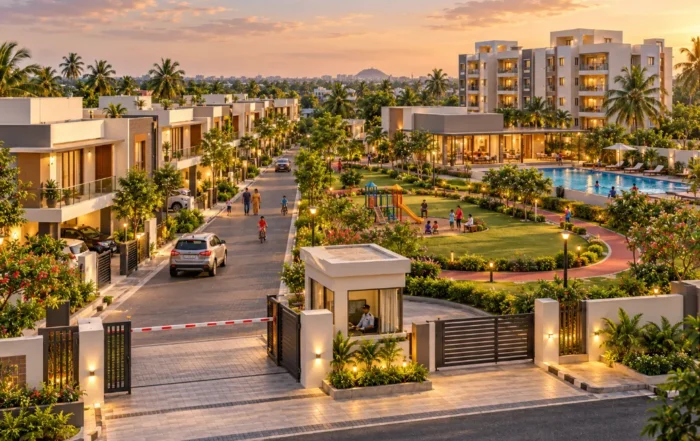
Embracing sustainability is one of Asset Tree Homes’ core values. Our projects in Madambakkam, Chromepet, Kundrathur and East Tambaram are designed with natural light, ventilation and responsible construction in mind. Explore our ongoing projects or read about what to look for in a gated community.
Frequently asked questions
What makes a home sustainable in Chennai?
A sustainable home in Chennai uses less energy and water, stays cool naturally, harvests rainwater, uses renewable energy and low-impact materials, and manages waste responsibly.
What are the benefits of sustainable homes?
Lower electricity and water bills, a more comfortable indoor climate, healthier air, less dependence on tankers and a smaller carbon footprint.
How can solar power support sustainable homes in Chennai, and are incentives available?
Rooftop solar can cover a large share of daytime electricity use. The PM Surya Ghar scheme offers a subsidy of up to ₹78,000 for residential rooftop systems, and net metering lets you export surplus power.
Do sustainable homes cost more to build?
Some features add a little to the upfront cost, but savings on electricity, water and maintenance usually recover the cost over time.
How can sustainable homes reduce energy and water use?
Through passive cooling, solar power, efficient lighting and pumps, rainwater harvesting, low-flow fixtures and treated water reuse.
How can I make my existing home more sustainable?
Install LED lights, solar water heating, low-flow taps, a rainwater harvesting pit and a reflective roof coating, and segregate your waste.
Want a home that’s kind to the planet and your budget? Book a site visit to see our projects.